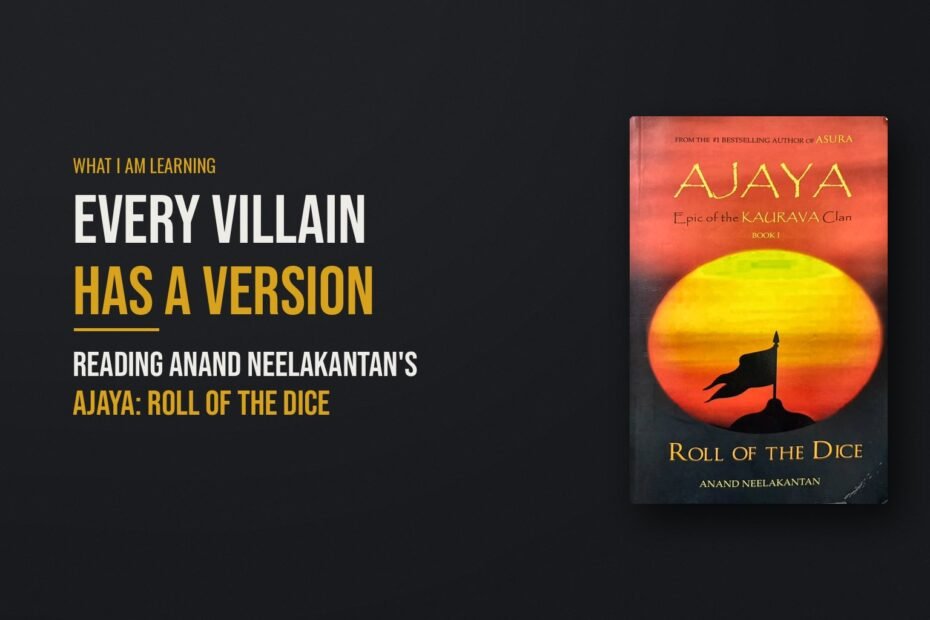
Reading “Ajaya: Roll of the Dice” Reminded Me That Every Villain Has a Version
Anand Neelakantan retells the Mahabharata from Duryodhana’s side, and the uncomfortable truth is that nobody in a company thinks of themselves as the villain either.
Anand Neelakantan retells the Mahabharata from Duryodhana’s side, and the uncomfortable truth is that nobody in a company thinks of themselves as the villain either.
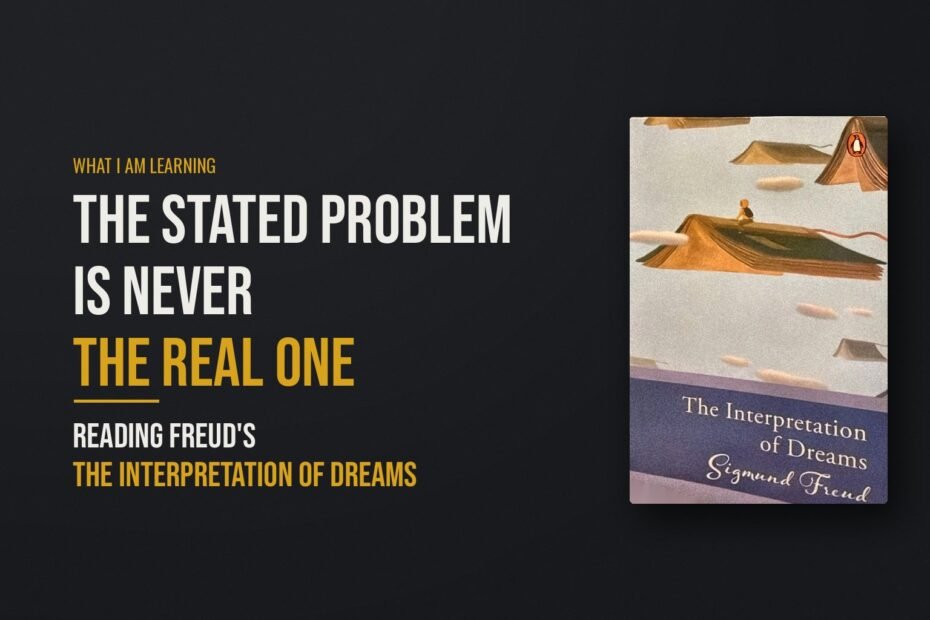
Freud’s distinction between the dream you remember and the wish underneath it turns out to be the most useful idea I have found for reading what is actually said in a meeting.
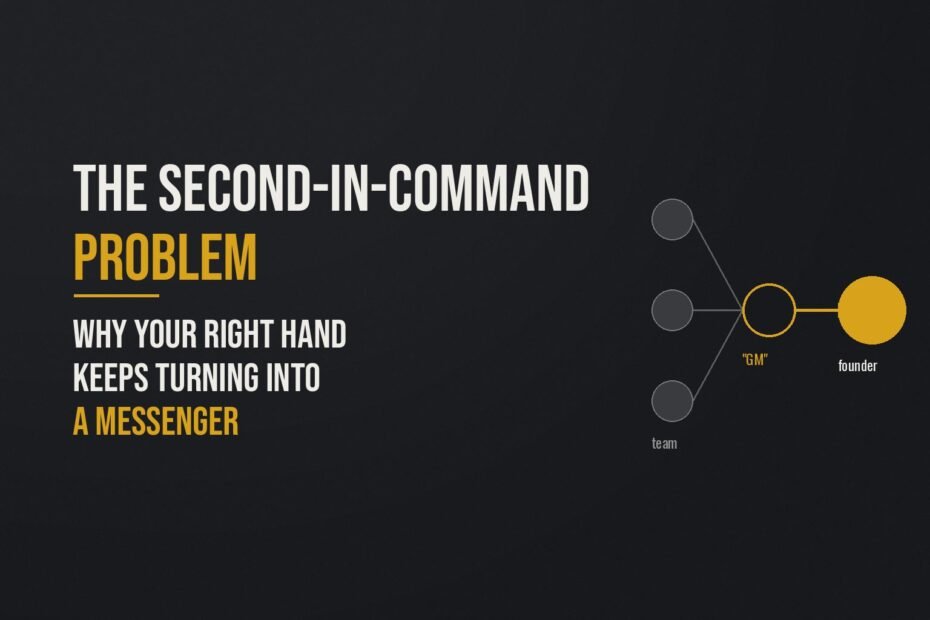
You hired a number two so everything would stop coming to you. Eighteen months later, it still does. The person is rarely the problem. The role was never actually defined, and here is how that gets fixed in ninety days.
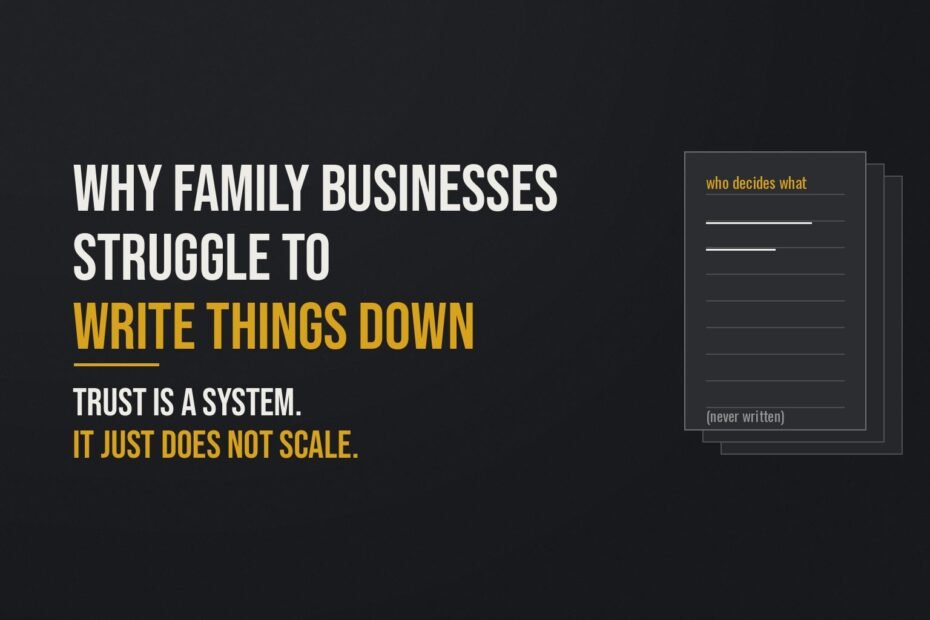
Family businesses run on trust, and trust works until the next generation or an outside hire arrives. Here is why writing things down feels like a betrayal, and the one-page document that made it possible for a manufacturing family in Ahmedabad.

Every business owner dreams of freedom. Freedom from the daily grind, freedom from being the person everyone runs to, freedom to finally live life on their own terms. But across years of business consulting and…
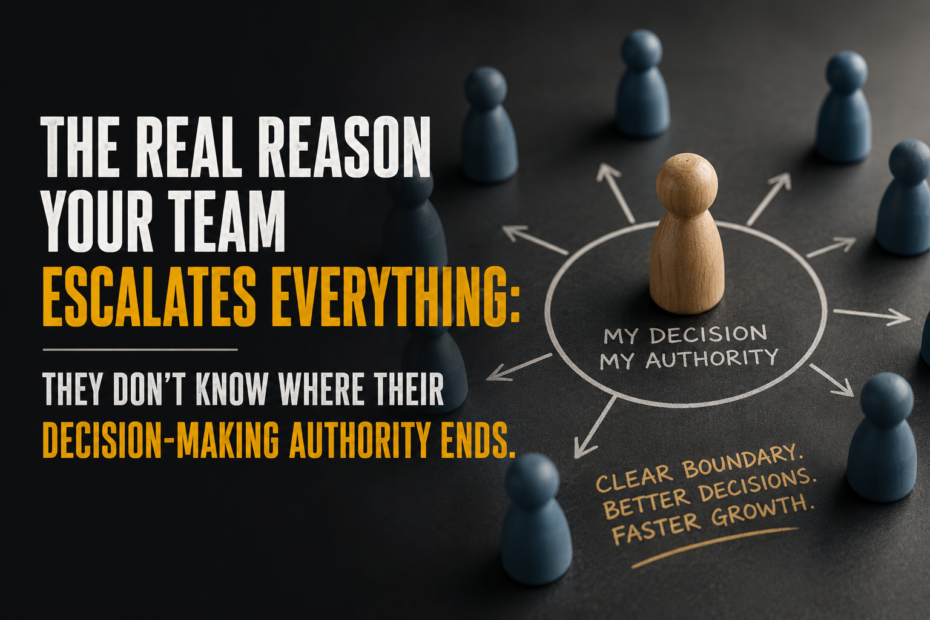
Most founders blame their team for escalating too much. After working with dozens of companies, I can tell you the real reason is almost never what you think. It is not a confidence problem. It is a clarity problem.

Feedback is one of the most powerful tools a manager has. It shapes careers, builds trust, and either makes or breaks a team’s performance over time. And yet, most managers do it badly. Not because…

A real case study about what happens when a growing company runs entirely on conversations, and the four-phase process that helped bring structure, clarity, and accountability without killing the culture that built it.

We’ve been sold a version of leadership that falls apart the moment it meets real people. Here’s what business psychology actually says about strength.
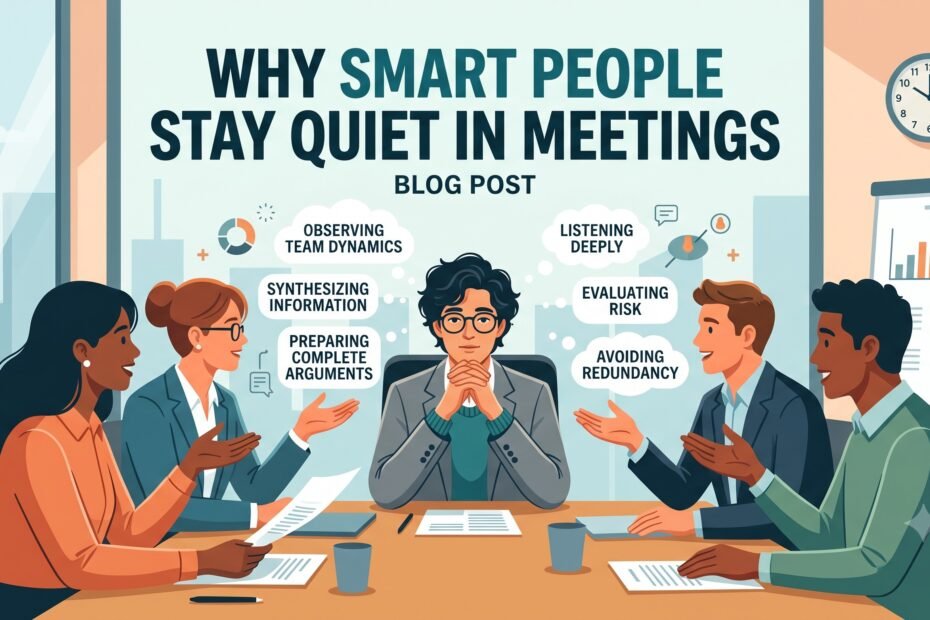
The sharpest people often go quiet in meetings. This isn’t timidity, it’s a systemic problem with how organizations reward confidence over clarity.